Scrolling through SPM slices always reminds me of Arcimboldo. Below are a few artists I think would have been neuroimaging scientists in a parallel universe:
Giuseppe Arcimboldo
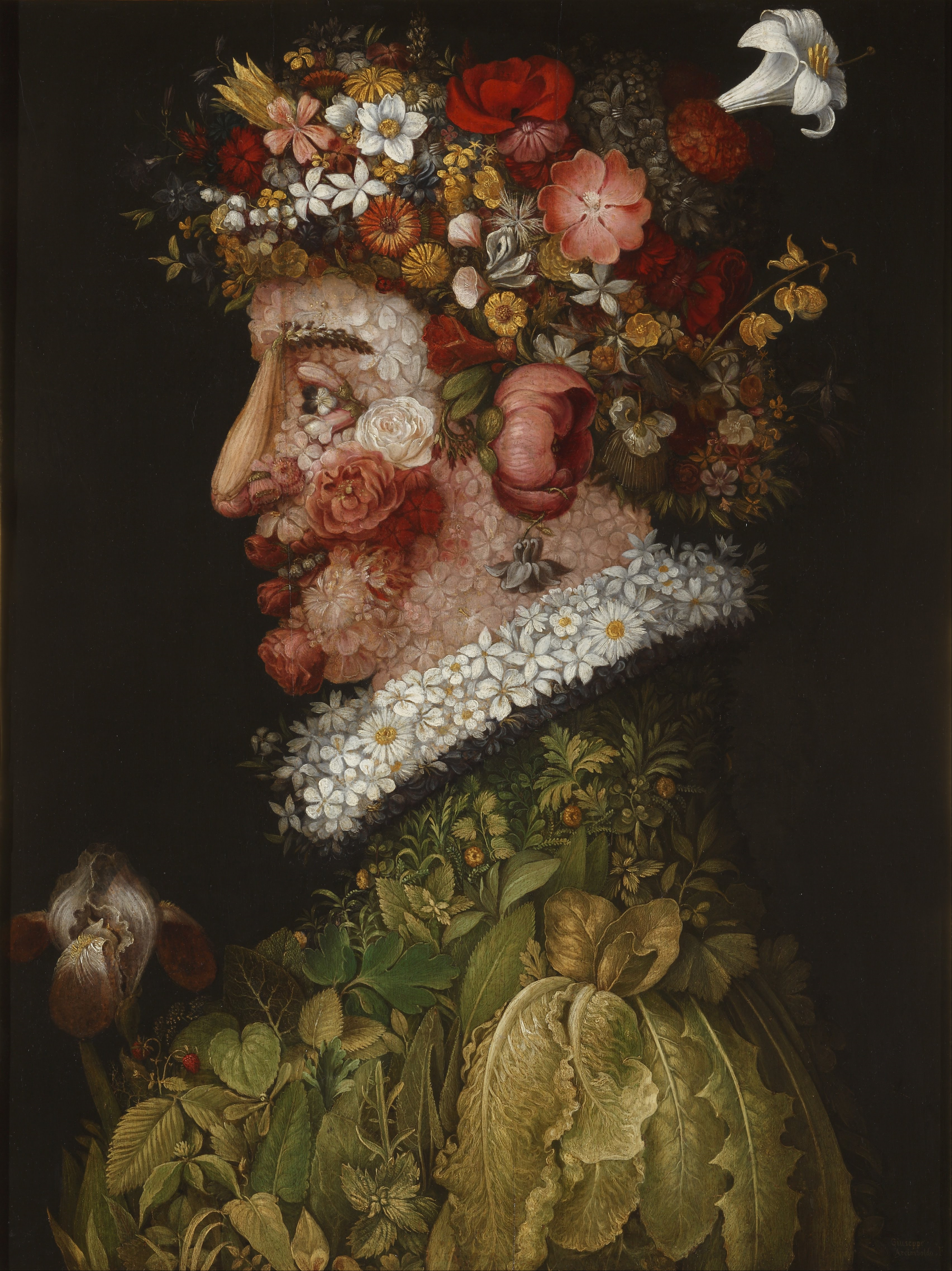
Real Academia de Bellas Artes de San Fernando, Madrid
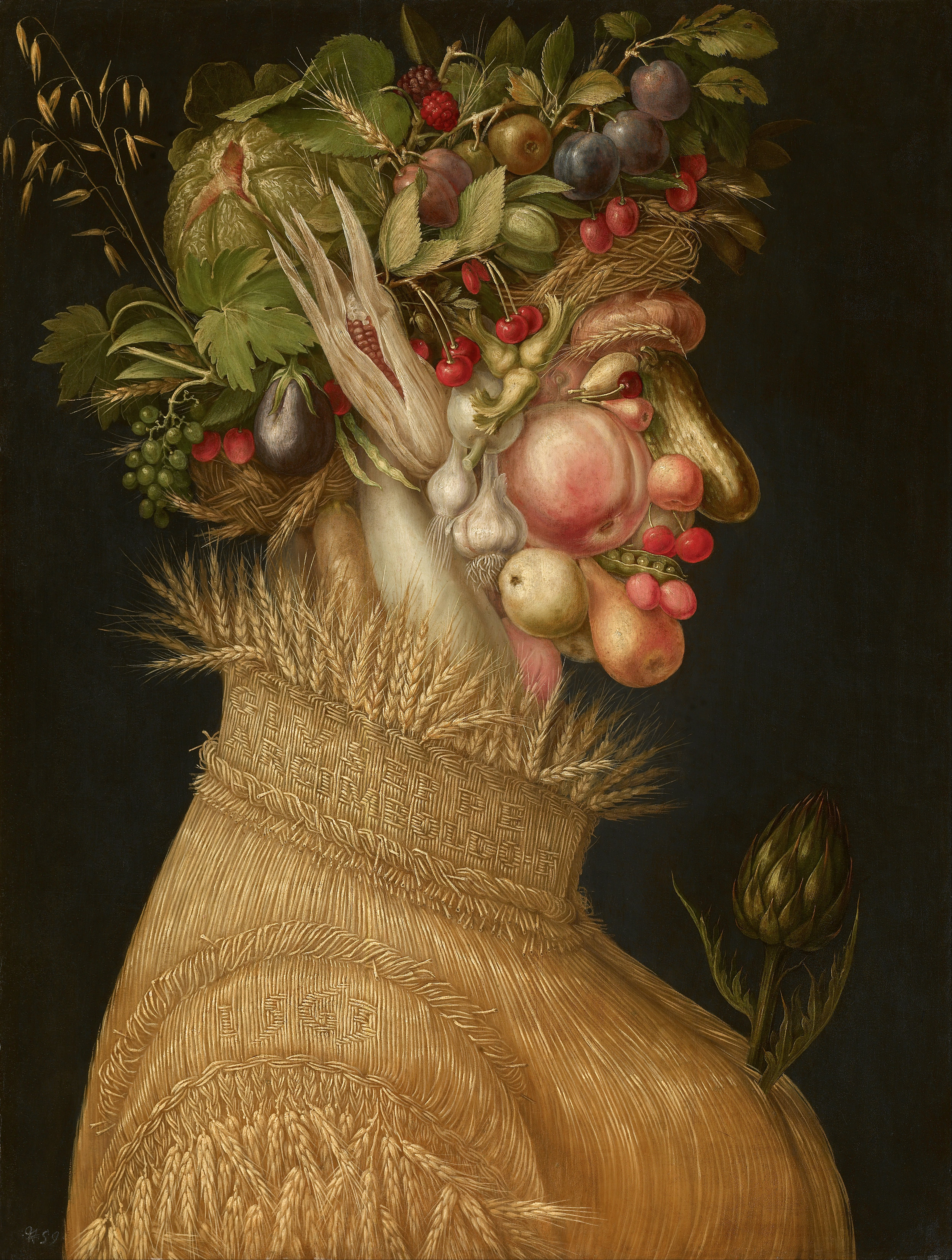
Kunsthistorisches Museum, Vienna
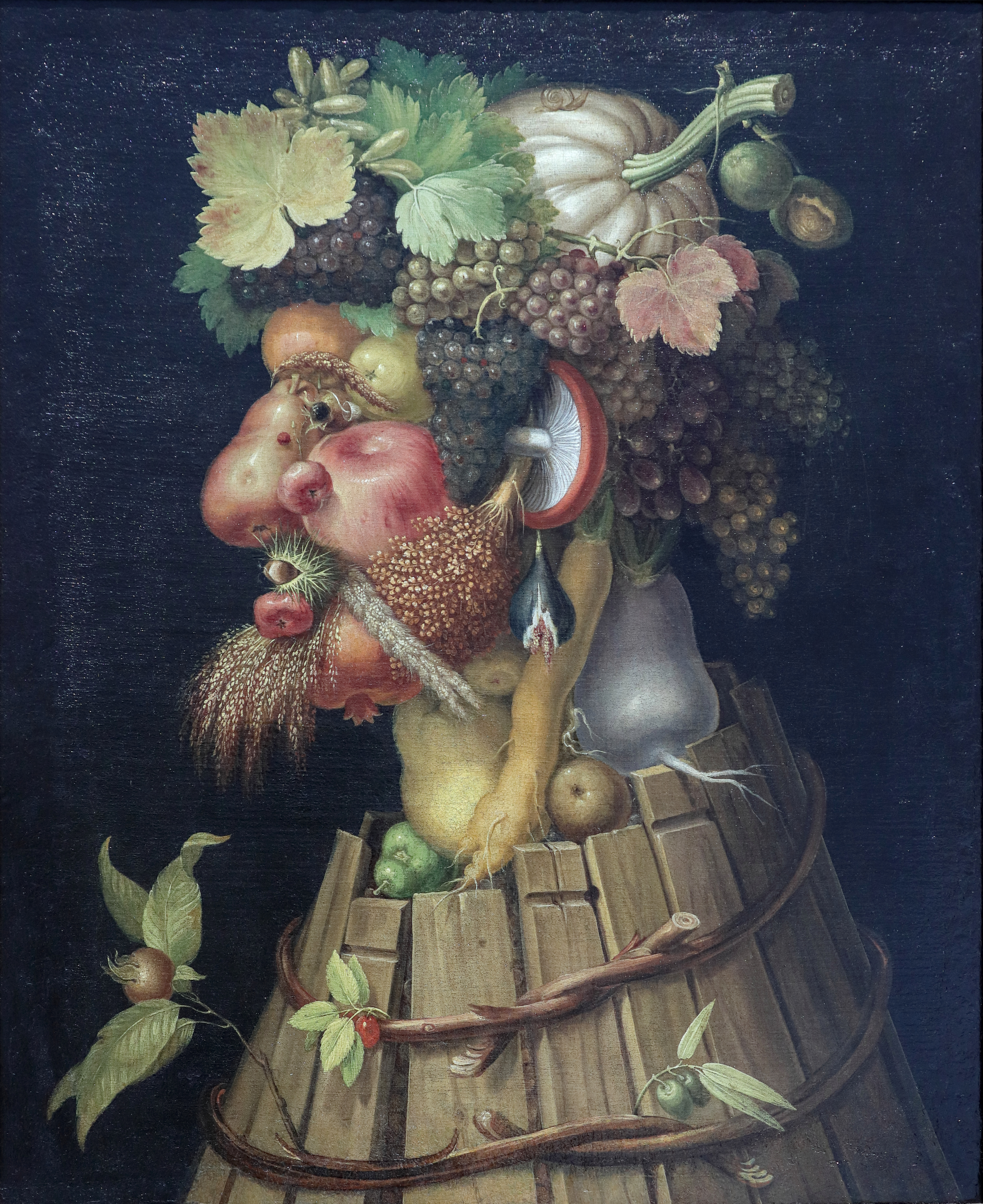
Musée du Louvre, Paris
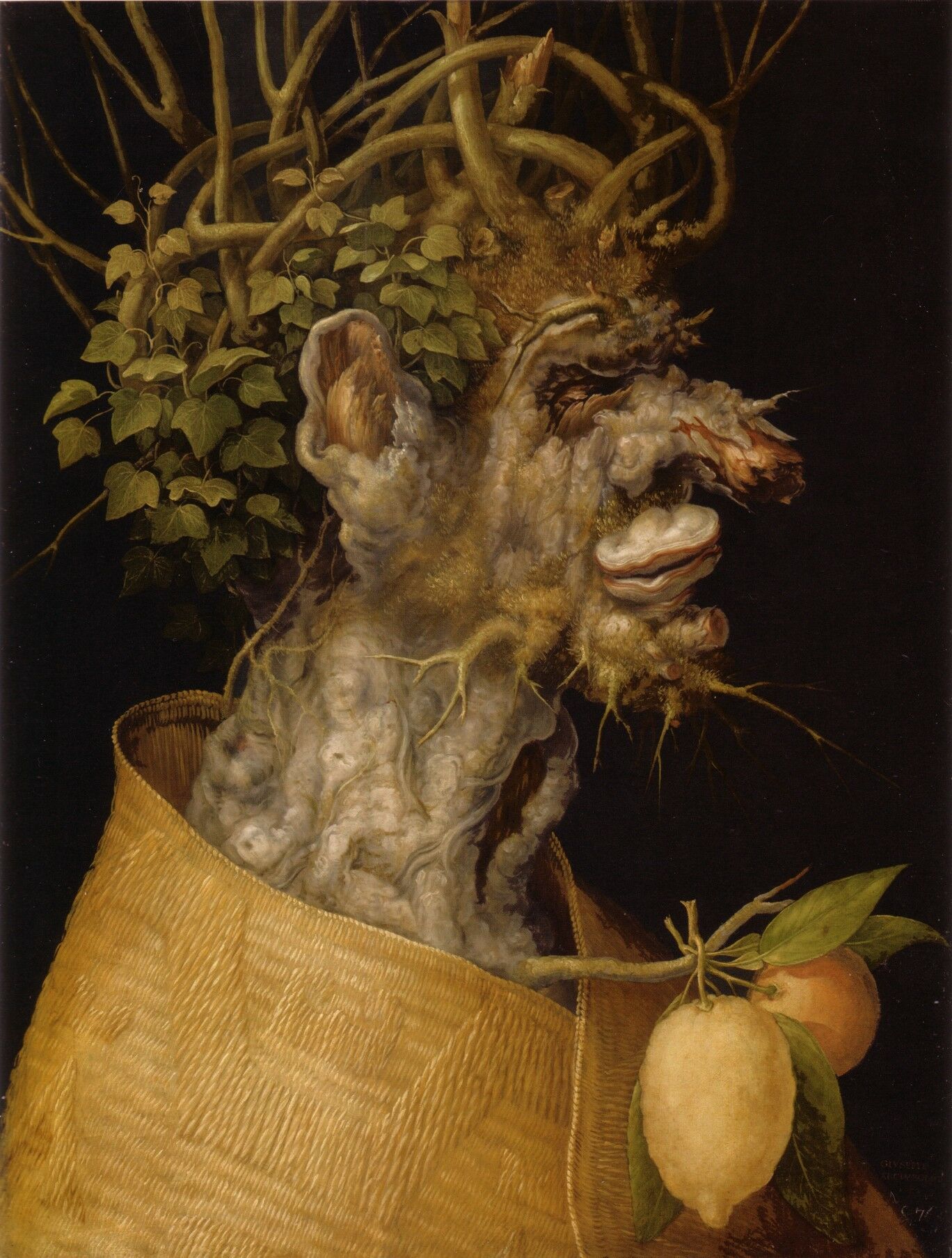
Kunsthistorisches Museum, Vienna
Arcimboldo’s works are used by some psychologists and neuroscientists to determine the presence of lesions in the hemispheres of the brain that recognise global and local images and objects.
Salvador Dali
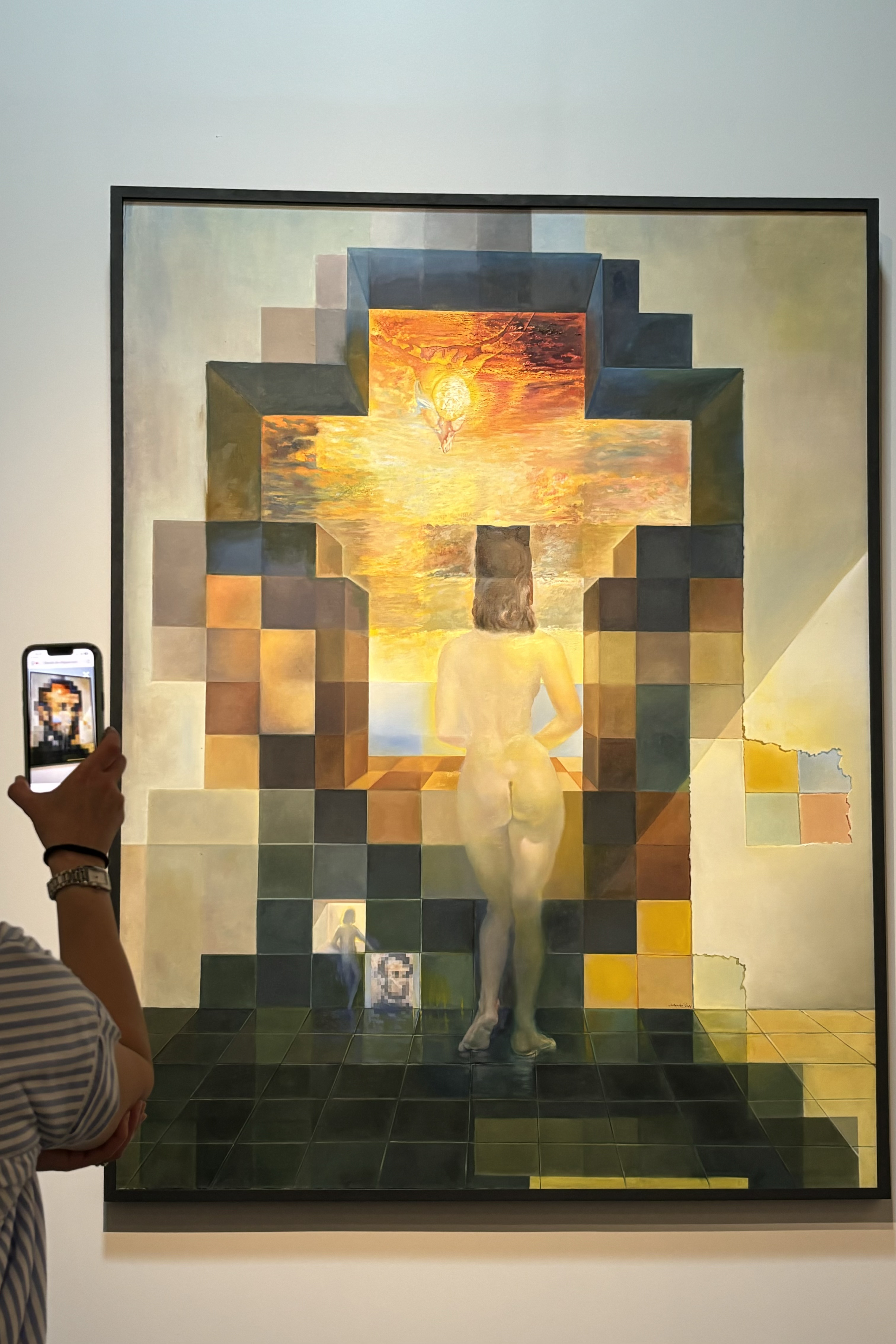
Dalí Museum, St. Petersburg, US
This painting was inspired by a Scientific American article Dali read about visual perception, which investigated the minimum number of pixels needed to describe a unique human face.
Dali was challenged by that question and set about making this portrait of Lincoln using 121 pixels.
This double image painting provides a meditation on the dual nature of things. In addition to the theme of sight and insight, the work alludes to themes of life and death and to Dali’s Spanish and American identity.
Reference
- Rossion, B., Dricot, L., Goebel, R., & Busigny, T. (2011). Holistic face categorization in higher order visual areas of the normal and prosopagnosic brain: toward a non-hierarchical view of face perception. Frontiers in Human Neuroscience, 4:225. doi: 10.3389/fnhum.2010.00225
- Pavlova, M. A., Mayer, A., Hösl, F., & Sokolov, A. N. (2016). Faces on her and his mind: female and likable. PLoS One, 11(6), e0157636. doi: 10.1371/journal.pone.0157636
- DaliPaintings.com. (n.d.). Gala contemplating the Mediterranean Sea, 1976 by Salvador Dali. https://www.dalipaintings.com/gala-contemplating-the-mediterranean-sea.jsp
- Harmon, L. D. (1973). The recognition of faces. Scientific American, 229(5), 70-83.
- Zanker, J. (2010). Sensation, perception and action: an evolutionary perspective. Bloomsbury Publishing.